
Understanding Energy Performance Certificates (EPC) and Their Impact on Your Mortgage
MP
Energy Performance Certificates (EPCs) are becoming an essential element in the property market. They provide crucial information about a property's energy efficiency, which can significantly impact various aspects of homeownership, including mortgages. Understanding EPCs and their implications can help you make informed decisions when buying or refinancing a home.
What is an Energy Performance Certificate?
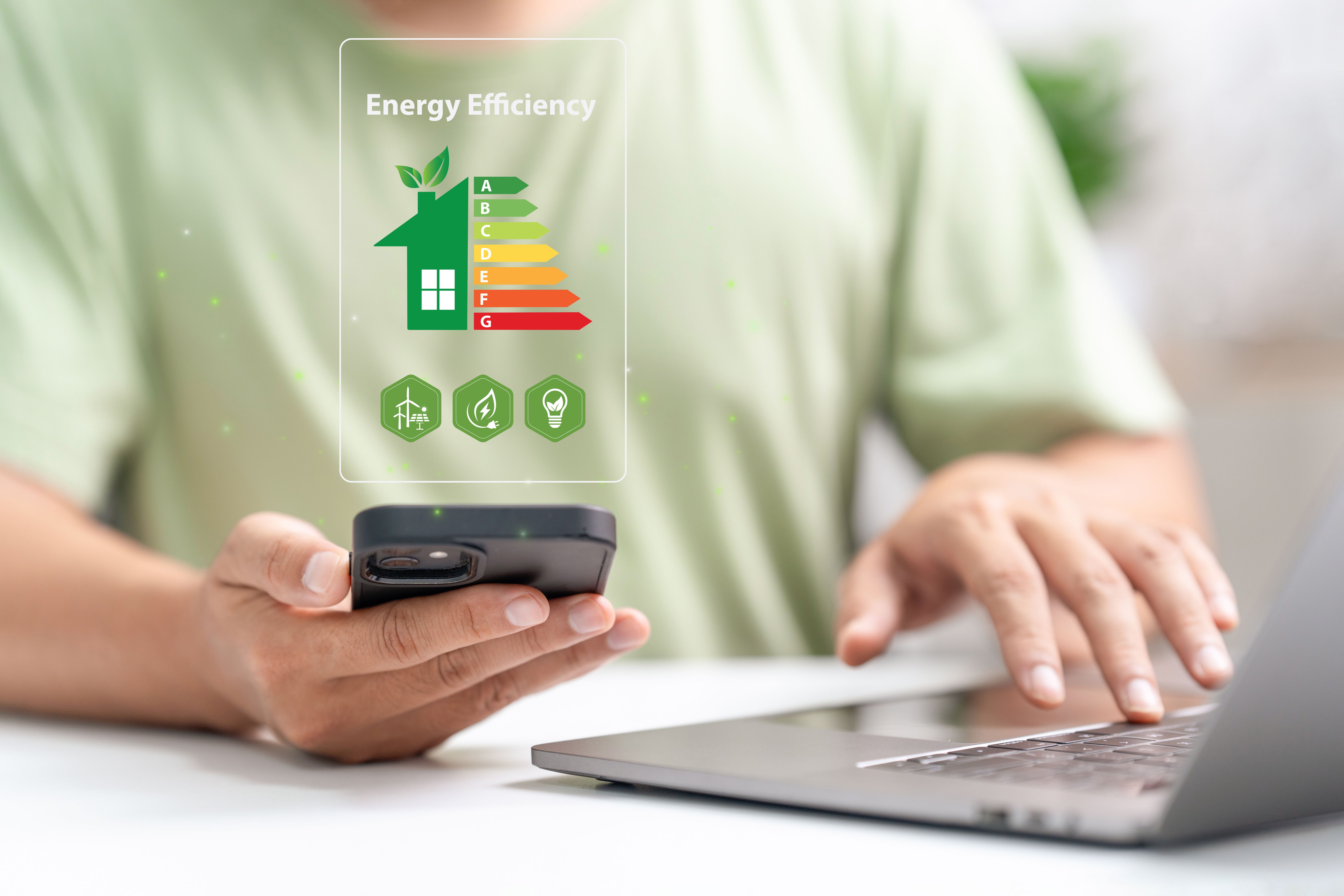
An Energy Performance Certificate is a document that provides an energy efficiency rating for a property, ranging from A (most efficient) to G (least efficient). It includes information about the property's energy use, typical energy costs, and recommendations for improving energy efficiency.
EPCs are required for properties being sold or rented in many regions. They are valid for ten years and must be presented to potential buyers or tenants before the transaction takes place.
How EPCs Affect Your Mortgage
The energy efficiency of a property can directly influence mortgage terms. Lenders are increasingly considering EPC ratings when assessing mortgage applications. Properties with higher energy efficiency ratings may qualify for better mortgage rates, while those with lower ratings might face higher interest rates or additional requirements.

Benefits of High EPC Ratings
Having a high EPC rating can offer several advantages:
- Lower energy bills: More efficient homes consume less energy, leading to reduced utility costs.
- Increased property value: Energy-efficient homes are more attractive to buyers, potentially increasing property value.
- Favourable mortgage terms: Some lenders offer special deals for energy-efficient homes, such as lower interest rates.
Improving Your EPC Rating
If you're looking to improve your property's EPC rating, consider implementing energy-saving measures. Simple changes can lead to significant improvements:
- Upgrade insulation in walls, roofs, and floors.
- Install energy-efficient windows and doors.
- Consider renewable energy sources like solar panels.
Long-term Impact of EPC Ratings
As governments continue to push for greener living, the importance of EPC ratings is likely to grow. Properties with poor energy performance may face stricter regulations and higher taxes in the future. Investing in energy efficiency now can protect your investment and ensure compliance with future standards.
In conclusion, understanding and improving your property's EPC rating is not only beneficial for reducing energy costs but also for securing favourable mortgage terms and enhancing property value. As the emphasis on sustainability increases, the role of EPCs in the housing market will continue to expand, making them a vital consideration for homeowners and buyers alike.